Robert Mondavi Winery
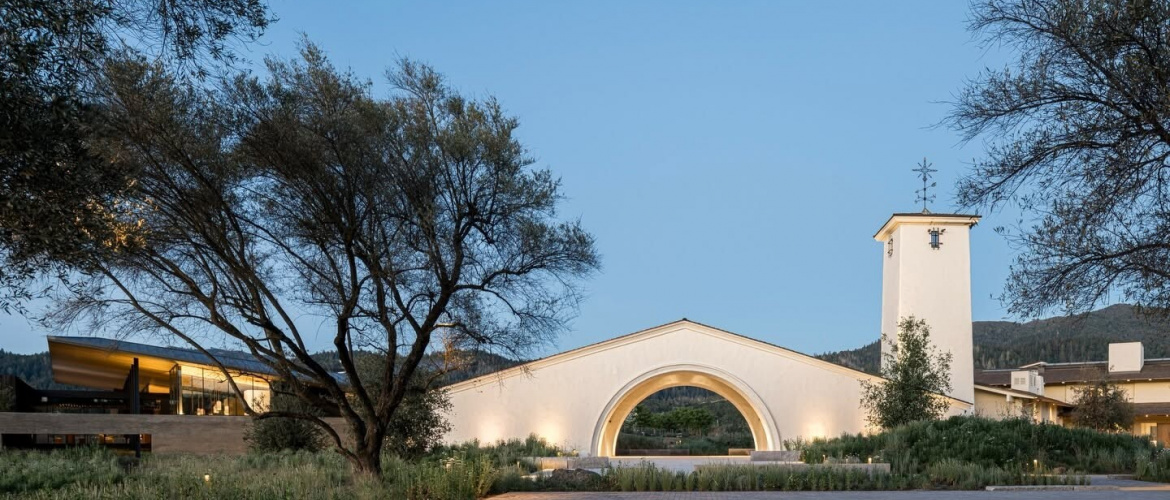
Jen málokteré jméno je spojené s kalifornským vínem tak pevně, jako Robert Mondavi. Když v roce 1966 založil v Oakville vlastní vinařství Robert Mondavi Winery, měl poměrně odvážné plány. Chtěl dokázat, že i Napa Valley dokáže produkovat vína, která se mohou kvalitou rovnat těm nejlepším vínům z Evropy.
Dnes nám to připadá naprosto samozřejmé, vždyť vína z Napa Valley patří k těm nejkvalitnějším. Díky unikátnímu podnebí a příhodnému geologickému podloží vína z Napy směle konkurují těm ze starého světa a zdejší Cabernet Sauvignon je pro mnohé milovníky vína pojmem. V 60. letech to ale rozhodně nebylo běžné. V té době vinaři z Napa produkovali obyčejná, často nekvalitní vína prostě jen na stůl, k jídlu. Jenže Robert Mondavi byl vizionář, nespokojil se s průměrnou kvalitou, už jen proto, že víno považoval za základ civilizace, za umění. Robert Mondavi se ale nestal věhlasným vinařem ze dne na den a k realizaci jeho amerického snu vedla ještě dlouhá cesta.
Robert Mondavi se narodil v roce 1913 v Minnesotě jako syn italských přistěhovalců Caesara a Rosy Mondavi. Rodina se později přestěhovala do kalifornského Lodi, Robert Mondavi úspěšně vystudoval ekonomii a obchod na Standfordské univerzitě a stal se z něj ekonom a obchodník, který se po ukončení studia zapojil do rodinné firmy. V roce 1943 přesvědčil svého otce, aby koupil jedno z historicky nejstarších, ale zároveň upadajících vinařství Charles Krug v St. Heleně. Společně s mladším bratrem Peterem ho pak vedli více než dvě desetiletí.
Robert už tehdy věřil, že budoucnost Kalifornie není v levném víně vyráběném ve velkém, ale v kvalitních exkluzivních vínech, která dokážou obstát i vedle těch evropských. Zajímal ho vývoj, nové vinařské technologie a snažil se kvalitu vín neustále dál posouvat. Jenže jak už to tak bývá, jeho a bratrovy představy se začaly rozcházet. Neshody pak nakonec vedly k tomu, že se Robert v roce 1965 rozhodl, že rodinný podnik opustí a založí si v Oakville vlastní vinařství. A tak vzniklo v roce 1966 Robert Mondavi Winery. První velké vinařství postavené v Napa Valley od konce prohibice. Vinařství, které dokázalo propojit tradiční evropské řemeslo s moderními technologiemi, znalostmi a terroirem Kalifornie.
Výjimečná vinice To Kalon
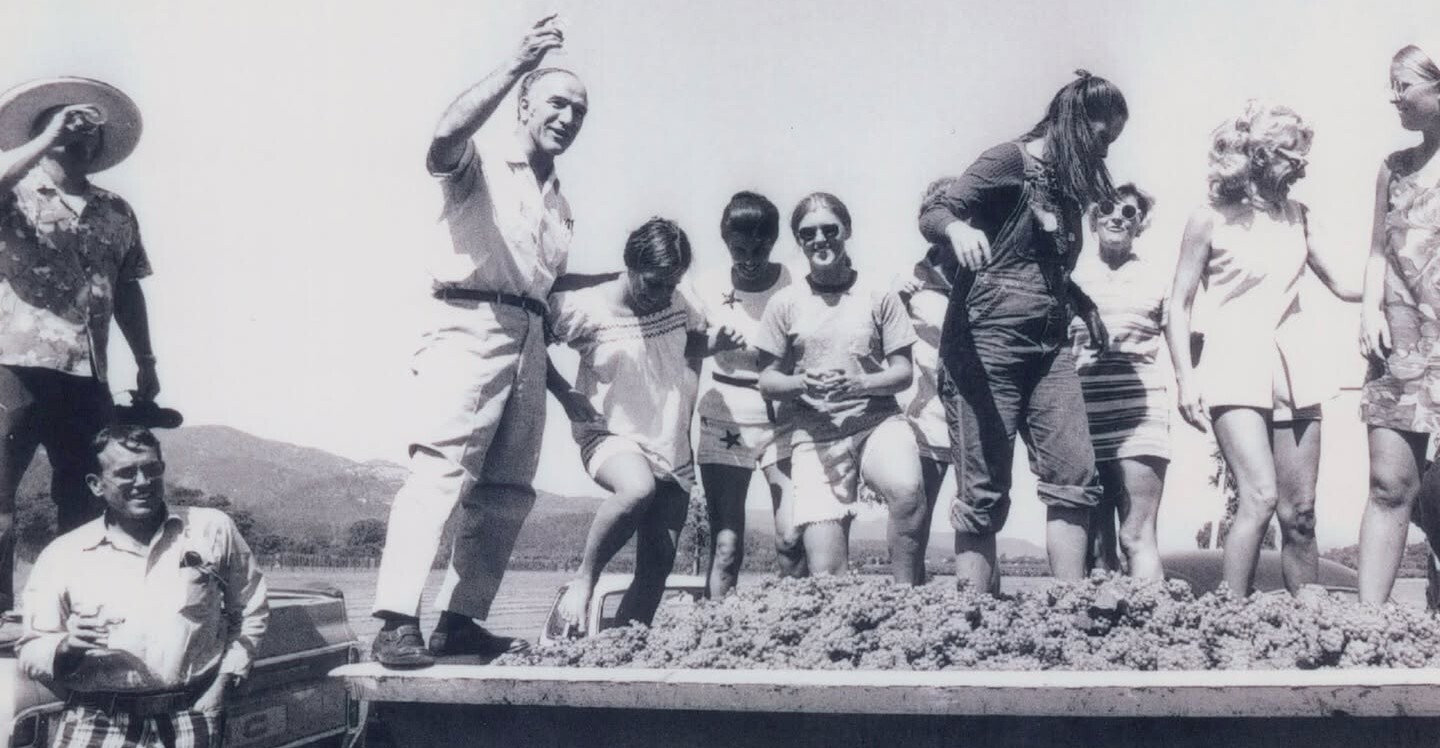
Název To Kalon pochází z řečtiny a znamená "nekrásnější" nebo "nejvyšší krása". Nejedná se ale jen o krásu na pohled. Vinice To Kalon je místo s ideální kombinací půdy, slunce a klimatu, které dává možnost vzniknout skutečně výjimečným vínům. To Kalon patří dodnes k nejznámějším vinicím v Napa Valley a tvoří základ některých z nejprestižnějších vín vinařství.
Tato vinice leží na západní straně Oakville, na úpatí pohoří Mayacamas a nabízí dobře odvodněné půdy a podmínky vhodné především pro Cabernet Sauvignon a Sauvignon Blanc. Terén se zde mírně svažuje směrem do údolí a velkou část vinice tvoří tzv. náplavový kužel (alluvial fan), který vznikal po tisíce let ukládáním materiálu splavovaného z okolních hor. Díky tomu jsou zdejší půdy velmi různorodé. Najdeme zde propustné hlinité a štěrkovité půdy, místy s větším podílem jílu a kamenů. Blíže k horám jsou půdy lehčí, kamenitější a lépe odvádějí vodu, zatímco směrem do údolí přibývá jemnějších naplavenin. Réva tak musí zakořenit hluboko, aby získala potřebnou vodu a živiny. Právě nízká úrodnost a dobrá propustnost půdy pomáhají přirozeně omezovat její růst a podporují tak vznik menších, ale koncentrovanějších hroznů.
Výjimečnost vinice To Kalon ale nespočívá jen v půdě. Velkou roli hraje právě její poloha. Přes den má vinice dostatek kalifornského slunce a tepla, odpoledne sem pak proniká chladnější vzduch a mlha od San Pablo Bay. Vzduch a mlha zmírňují odpolední teploty a díky tomu prodlužují zrání hroznů. Přirozené proudění vzduchu zároveň pomáhá vinice ochlazovat a chránit révu před příliš velkým tepelným stresem. Rozdíl mezi teplými dny a chladnými nocemi umožňuje hroznům dozrávat pomaleji a rovnoměrněji. Díky tomu hrozny získávají dostatek času k rozvoji barvy, chuti a tříslovin, aniž by přišly o potřebnou svěžest a kyselinku.
Kombinace těchto půd, dobré drenáže, slunečního svitu, chladného větru a teplotních rozdílů přes den a v noci vytváří podmínky, díky kterým se To Kalon stala jednou z nejslavnějších vinic Napa Valley. Robert Mondavi Winery dnes obhospodařuje přibližně 450 akrů na vinici To Kalon. Pěstuje na ní především odrůdy Cabernet Sauvignon a Sauvignon Blanc. Právě v části, označované jako I Block, se nacházejí jedny z nejstarších stále plodících keřů Sauvignon Blanc v USA.
Nový pohled na Sauvignon Blanc
Možná právě přítomnost nejstarších keřů Sauvignon Blanc na vinici To Kalon inspirovala Roberta Mondavi k tomu, aby z celkem obyčejného, ne příliš oblíbeného vína vytvořil něco exkluzivního. A tak vzniklo Fumé Blanc (inspirované francouzským označením Blanc Fumé). Inspirací byla suchá vína Sauvignon Blanc z francouzského údolí řeky Loiry. Víno fermentovalo při kontrolované teplotě a následně zrálo ve francouzských dubových sudech. Jeho nápad zafungoval. Už koncem 60. let byla po novém víně velká poptávka a označení Fumé Blanc se stalo pojmem. Díky tomu se pohled amerických spotřebitelů na Sauvignon Blanc proměnil.
Fumé Blanc se vyrábí dodnes a zůstává jedním z vín, která nejlépe připomínají Mondaviho schopnost spojovat evropskou inspiraci s kalifornským přístupem. Robert Mondavi Fumé Blanc 2022 pochází ze Sauvignon Blanc doplněného malým podílem Sémillonu. Svěží citrusové a ovocné tóny v něm doplňuje jemná krémovost a minerální charakter. Je tak krásným příkladem stylu, který Robert Mondavi před více než půl stoletím pomohl vytvořit.
Evropské tradice a kalifornské inovace
Robert Mondavi byl velkým obdivovatelem evropské vinařské kultury, ale nikdy se ji nesnažil pouze kopírovat. Jeho představou bylo vzít to nejlepší z Evropy a spojit to s možnostmi, které nabízela moderní Kalifornie. Ve vinařství proto prosazoval postupy, které dnes působí naprosto samozřejmě, ale v 60. a 70. letech samozřejmostí rozhodně nebyly. Patřila mezi ně například studená fermentace, používání nerezových tanků nebo zrání ve francouzských dubových sudech. Své poznatky si Mondavi nenechával jen pro sebe, ale sdílel je s ostatními vinaři. O tom svědčí jeho dlouhodobý vztah s University of California v Davisu. Tato univerzita patří k nejvýznamnějším světovým centrům výzkumu vinohradnictví a enologie. Věřil, že pokud se bude zvyšovat kvalita vín v celém údolí Napa, bude z toho nakonec těžit celý region.
To je možná jedna z věcí, která nejlépe vystihuje jeho vliv. Nechtěl vybudovat pouze jedno slavné vinařství. Chtěl, aby se Napa Valley stala vinařskou oblastí světového významu. A pouhých deset let po založení Robert Mondavi Winery přišel okamžik, který ukázal, že jeho vize rozhodně nebyla nereálná.
Jak slepá degustace změnila pohled na kalifornské víno
Vizi Roberta Mondavi jsme v článku již zmínili několikrát. O pouhých deset let později, v roce 1976, přišel okamžik, který Mondaviho myšlenku potvrdil. V Paříži se uskutečnila dnes již legendární slepá degustace známá jako Judgement of Paris, ve které se proti sobě postavila vybraná vína z Francie a Kalifornie. Hodnotila je porota složená převážně z francouzských odborníků a výsledek dopadl vskutku překvapivě – v kategorii bílých i červených vín zvítězila vína z Kalifornie.
Ačkoli vinařství Robert Mondavi mezi soutěžními víny žádného favorita nemělo, slepá degustace byla tou chvílí, která Mondavimu potvrdila to, čemu věřil už řadu let. Kalifornie nemusela Evropu kopírovat. Mohla se od ní učit, využít vlastní terroir, moderní znalosti a technologie a vytvořit vína s vlastním charakterem.
Další důležitý okamžik spojení Evropy a Kalifornie přišel na konci 70. let, kdy se Mondavi setkal s baronem Philippem de Rothschildem, majitelem slavného Château Mouton Rothschild v Bordeaux. Na první pohled pocházeli z úplně odlišných světů. Spojovala je ale podobná představa o víně a především touha vytvořit něco nového. Jejich společný projekt měl propojit zkušenosti a tradici Bordeaux s terroirem Napa Valley. V roce 1980 tedy vznikl společný projekt Opus One, jedno z prvních skutečně významných spojení evropského a amerického vinařství. Opus One se tak stalo symbolem rostoucího sebevědomí kalifornského vinařství a jeho nového postavení ve světě.
The Good Life aneb víc než jen víno
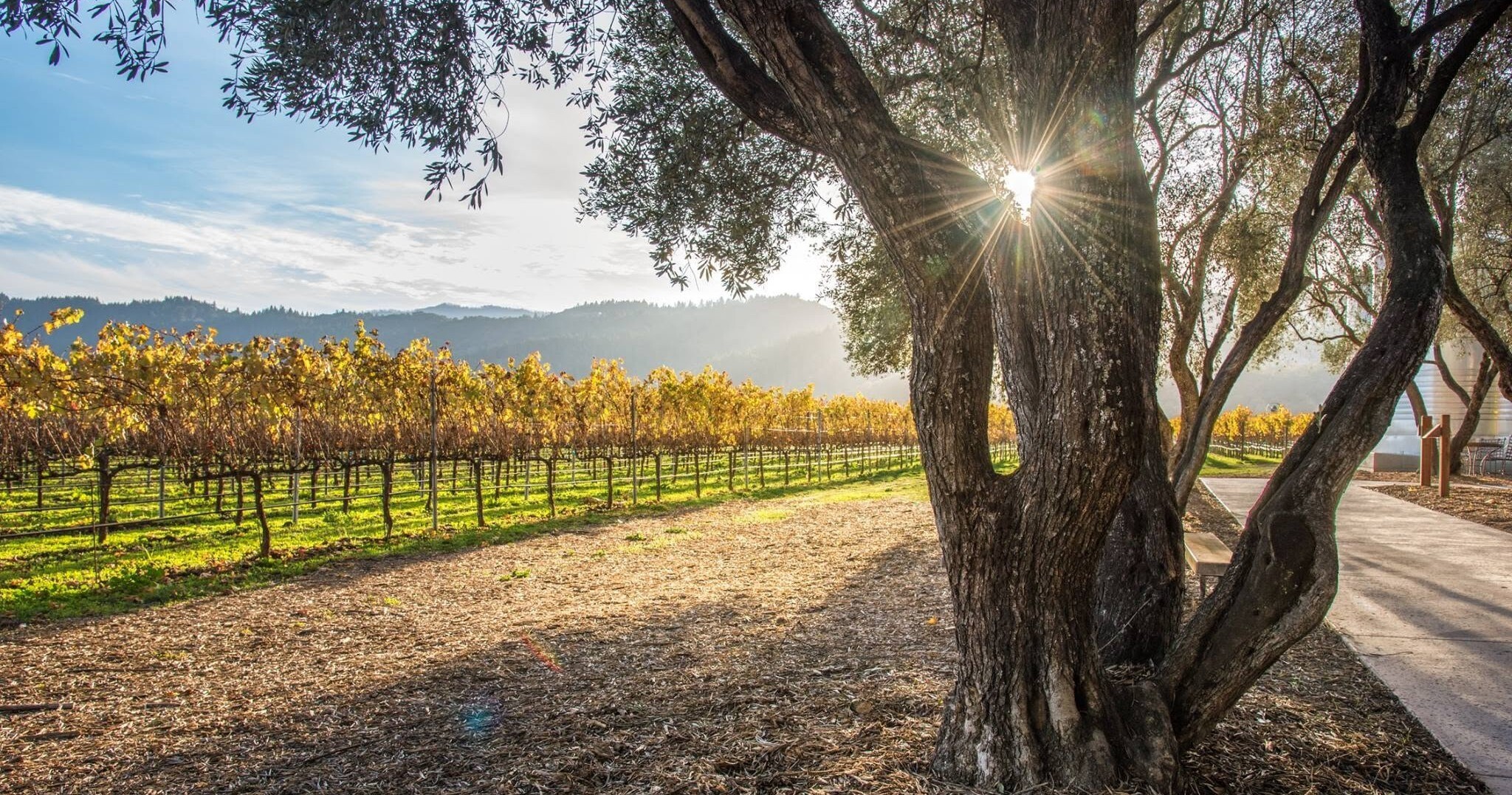
Důležitou součástí Mondaviho filozofie byla také myšlenka „The Good Life“ – přesvědčení, že víno patří k dobrému jídlu, umění, hudbě, přátelům a společně strávenému času. Velkou roli v jejím rozvíjení sehrála Margrit Mondavi, která do vinařství přišla v roce 1967 a později se stala Robertovou manželkou. Pomáhala propojovat svět vína s uměním, gastronomií a hudbou a právě díky ní se Robert Mondavi Winery postupně stalo nejen vinařstvím, ale také místem setkávání, koncertů, výstav a kulinářských zážitků.
Robert Mondavi zemřel v roce 2008 ve věku 94 let. Vinařství ale pokračuje v jeho odkazu a původní filozofii i nadále. Dnes za jeho vinařským směřováním stojí Kurtis Ogasawara. Jeho cesta k vínu přitom nebyla úplně přímočará. Původně se věnoval technickému oboru, později ale vystudoval vinohradnictví a enologii na UC Davis a svou kariéru spojil s Napa Valley.
Do Robert Mondavi Winery nastoupil v roce 2015 a postupně se vypracoval až do čela vinařského týmu. Přístup Kurtise Ogasawary dobře navazuje na filozofii, se kterou Robert Mondavi vinařství založil. Nejde jen o technologie nebo přesně daný styl. Každá vinice, parcela i ročník mají vlastní charakter a rozhodnutí ve sklepě se jim přizpůsobují. Teplota fermentace, délka kontaktu se slupkami, velikost fermentačních nádob nebo výběr sudů se proto mohou lišit podle toho, odkud konkrétní hrozny pocházejí. Cílem zůstává klasický rukopis Robert Mondavi Winery – rovnováha, svěžest, výrazné ovoce a co nejvěrnější projev místa původu. Jeho rukopis je dobře poznat např. v Cabernet Sauvignon 2021. Tato odrůda, která je s Napa Valley i samotným vinařstvím neodmyslitelně spojená, zde tvoří 91 % cuvée a doplňují ho Petit Verdot, Cabernet Franc a Malbec. Ve vůni a chuti se objevují zralé ostružiny a švestky doplněné sušeným tymiánem a jemnými tóny toastu. Výsledkem je koncentrovaný Cabernet Sauvignon s výrazným ovocným charakterem a strukturou typickou pro Napa Valley.
Cabernet Sauvignon jako jedna z hlavních tváří vinařství
Pokud je některá odrůda s Napa Valley a Robert Mondavi Winery neodmyslitelně spojená, pak je to Cabernet Sauvignon. A právě na jednotlivých vínech je krásně vidět, jak rozdílný charakter může získat v závislosti na místě, ze kterého hrozny pocházejí.
Skvělým úvodem do stylu vinařství je Robert Mondavi Cabernet Sauvignon Napa Valley, který spojuje hrozny z různých poloh napříč Napa Valley. O něco konkrétnější pohled na terroir pak nabízí řada The Estates. Robert Mondavi The Estates Cabernet Sauvignon Oakville pochází z Oakville a většina hroznů pochází právě z vinice To Kalon. Dobře propustné půdy s nízkou úrodností a dostatek slunečního svitu zde dávají vzniknout vínu s bohatým ovocným charakterem, strukturou a elegantními tříslovinami.
Na samotném vrcholu stojí The Reserve Cabernet Sauvignon Oakville To Kalon Vineyard. Tady už se dostáváme přímo k vinici, které jsme se věnovali v první části článku. Víno vzniká s cílem co nejlépe zachytit charakter jednotlivého ročníku a samotného To Kalon. Je koncentrované, komplexní a zároveň elegantní, s potenciálem k dlouhému zrání. Právě The Reserve tak představuje jednu z nejčistších ukázek toho, co dokáže Cabernet Sauvignon na této legendární vinici.
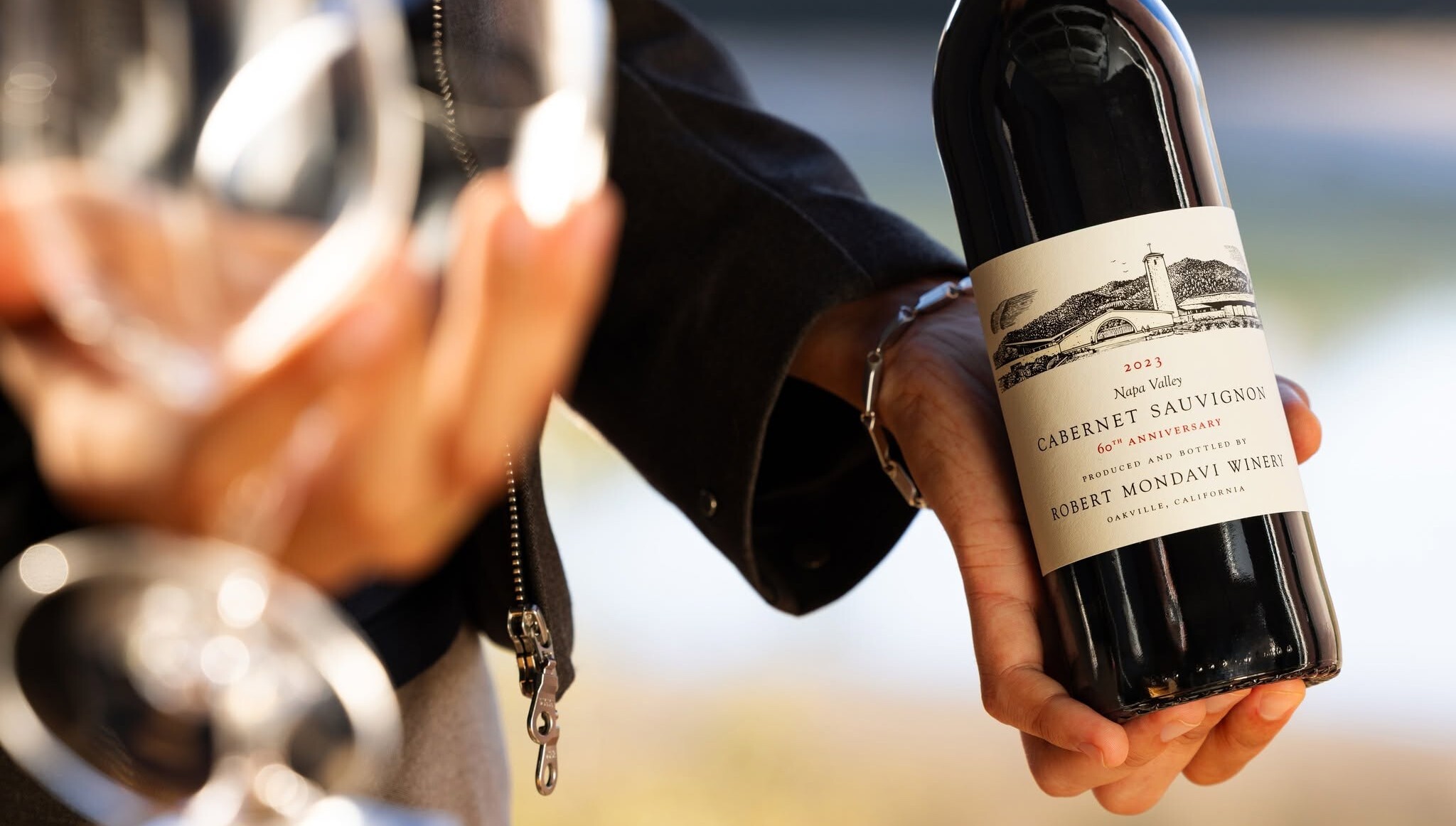
A příběh Cabernetu Sauvignon pokračuje i v současnosti. K 60. výročí Robert Mondavi Winery vznikl speciální Cabernet Sauvignon Napa Valley 60th Anniversary 2023. Limitovaná výroční edice připomíná šest desetiletí od založení vinařství a zároveň propojuje jeho historii se současností. Je tak symbolickou připomínkou myšlenky, se kterou Robert Mondavi v roce 1966 začínal – ukázat světu, že Napa Valley dokáže produkovat skutečně velká vína.
Prodej vinařství a začátek nové éry
Ještě za Robertova života prošlo vinařství jednou z největších změn ve své historii. Z původně rodinného podniku postupně vyrostla veřejně obchodovaná společnost Robert Mondavi Corporation s rozsáhlým portfoliem vín a dalších vinařských projektů. V roce 2004 koupila Robert Mondavi Corporation společnost Constellation Brands. Pro rodinu Mondavi tím skončila jedna kapitola, samotné vinařství v Oakville ale pokračovalo dál. Robert Mondavi Winery zůstalo součástí prémiového portfolia Constellation Brands a právě pod jejím vedením v posledních letech prošlo také jednou z nejrozsáhlejších proměn od svého založení.
Rekonstrukce ikonického vinařství
Historický areál v Oakville prošel rozsáhlou rekonstrukcí, jejímž cílem nebylo vytvořit úplně nové vinařství, ale posunout původní Mondaviho myšlenku do současnosti. Ikonický oblouk a věž, které jsou s Robert Mondavi Winery spojené už od jeho počátků, zůstaly zachovány. Historické prvky doplnily nové otevřené prostory, moderní sklep a technologie, které vinařům umožňují ještě přesněji pracovat s jednotlivými parcelami a malými šaržemi hroznů.
Nový sklep nabízí fermentační nádoby různých velikostí, takže lze hrozny z jednotlivých částí vinic zpracovávat odděleně a lépe zachovat jejich vlastní charakter. Moderní technologie zároveň umožňují přesnější kontrolu jednotlivých kroků výroby.
Velkou roli při rekonstrukci hrála také udržitelnost. Vinařství je certifikováno v rámci Napa Green a vinice, na které stojí samotný estate, má od roku 2023 ekologickou certifikaci CCOF *(*California Certified Organic Farmers je organizace akreditovaná USDA, která certifikuje ekologické hospodaření podle federálních standardů USDA National Organic Program). Vinařství recykluje vodu pro zavlažování, zachytává dešťovou vodu, využívá senzory sledující stav půdy a patří také mezi první vinařství, která začala přecházet na elektrické traktory. Proměnou prošly také prostory pro návštěvníky. Architektura více propojuje interiér s okolními vinicemi, původní věž dnes ukrývá archiv vín a součástí areálu zůstávají umění, zahrady i gastronomie – tedy všechno, co bylo součástí Mondaviho představy o vinařství od samého začátku.
Po rozsáhlé rekonstrukci je Robert Mondavi Winery opět otevřené návštěvníkům. A přestože dnes využívá technologie, o kterých se Robertu Mondavimu při založení vinařství v roce 1966 ani nesnilo, základní myšlenka zůstává stejná. Vytvářet vína, která dokážou vyjádřit místo svého původu. Propojovat víno s jídlem, kulturou a lidmi. A nikdy se nepřestat ptát, jestli se věci nedají dělat ještě o něco lépe.
3.9.2026
Zdroje:
https://robertmondaviwinery.com/
https://robertmondavi.winespectator.com/
https://rmi.ucdavis.edu/robert-mondavi?
https://www.ucdavis.edu/news/fine-blend
https://www.ccof.org/organic-certification-services/organic-certification/